
Decorating a nursery you will not have to redo in two years

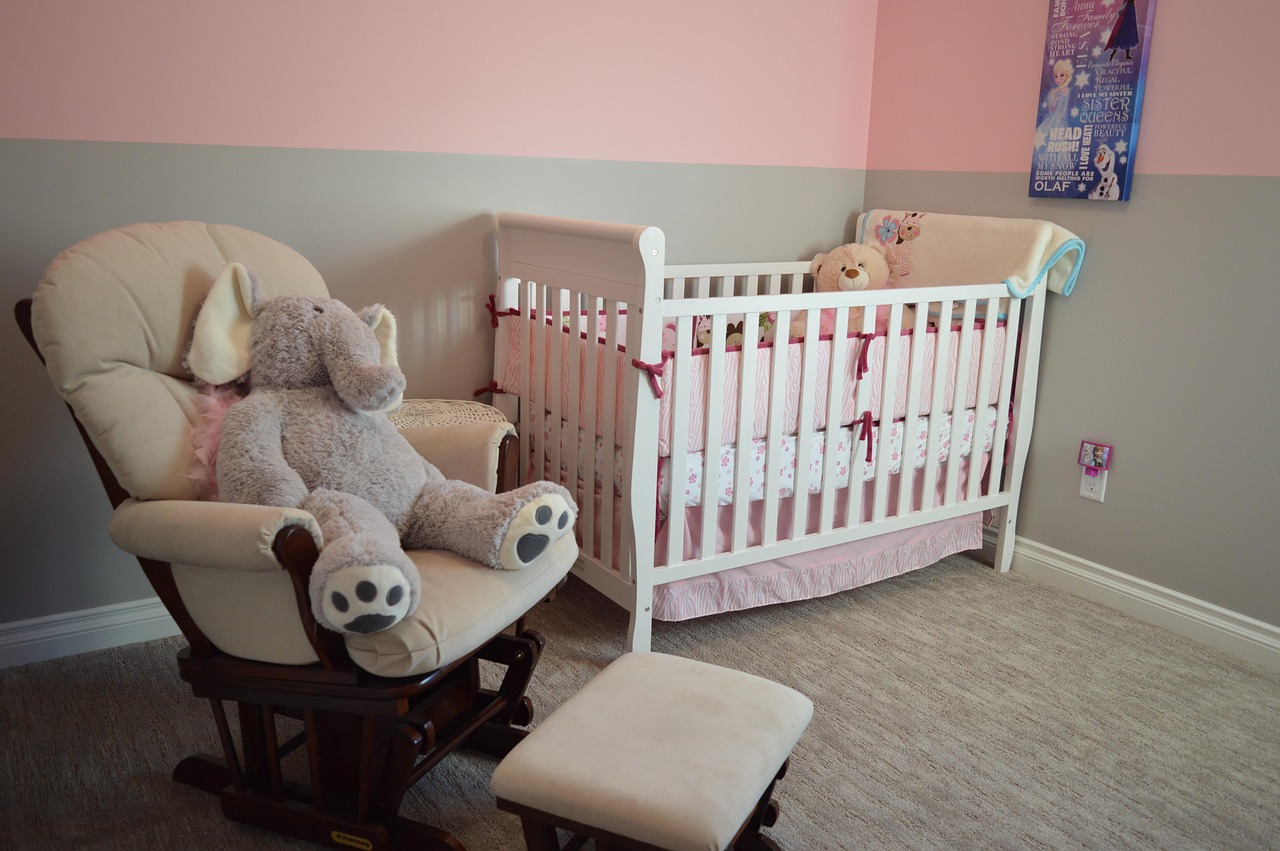
Decorating a nursery you will not have to redo in two years
Nursery decoration has a short half-life. A room designed around a single character or a single palette usually gets redone somewhere around the third birthday, and the parts that get thrown away are almost always the expensive ones.
Fix the boring layer
Walls, flooring, curtains and the large furniture are the costly, difficult things to change. Keep them neutral: an off-white or a soft muted colour, a plain floor, and curtains chosen for blackout rather than pattern.
Nobody has ever regretted a neutral wall in a child’s room. Plenty of people regret a mural.
Put the personality where it swaps
Art, cushions, a rug, basket colours, a canopy, bedding. These are the pieces that carry the character of the room and they can all be changed in an afternoon for a fraction of the cost of redecorating.
It also means the room can grow up gradually rather than in one disruptive redo.
Avoid the age-locked theme
A theme that only works for a baby has an expiry date. Choose subjects with a longer life — animals, landscapes, shapes, colour — over anything tied to a specific programme or a specific age.
If you want a character, put it on something cheap: a cushion, a poster, a laundry bag.
Plan the light in three layers
Ceiling light for daytime, a lamp for evening, and something very dim and warm for night feeds. This is the layer hardest to add later, because it involves sockets and cable routes.
Decide now where the lamp will sit and whether there is a socket there. A rechargeable light removes the constraint entirely and is worth considering.
Blackout is not optional
In a room facing a street light or a summer sunrise, blackout curtains or a blind make a bigger difference to sleep than anything else you will buy for the room. Fit them properly, with a pelmet or a wide overlap, or light spills round the edges and undoes the point.
Portable blackout for travel is a separate and equally useful purchase.
Furniture that changes jobs
A chest of drawers at the right height is a changing table now and a chest of drawers later. A cot that converts to a toddler bed earns its cost twice. A dedicated changing unit does one job for eighteen months.
Prefer pieces with a second life; they are rarely more expensive.
Leave floor space empty
The most valuable thing in a small room is clear floor, because that is where a baby learns to roll, sit and crawl. Every piece of furniture you can hang on the wall instead buys some of it back.
Plan the floor before the walls.
A sensible sequence
Neutral walls, good blackout, one well-placed lamp, a chest at changing height, wall-mounted shallow storage, then art and textiles for the character. That order gives a room that works at six months and still works at six years. Everything in the changeable layer is on the shop page, and we are happy to help pick a palette that suits the wall you already have.
Paint finishes that survive a child
Matt paint looks best and marks permanently. An eggshell or satin finish on the walls of a child’s room can be wiped, and it is the single decorating decision most often regretted after the fact. Save the flat matt for the ceiling.
Keep a labelled jar of the wall colour rather than a full tin — it dries out less and it is enough for the touch-ups that are actually needed. Write the colour and the finish on the label, because you will not remember either.
Where to spend and where not to
Spend on the things that are hard to change and hard to fake: blackout, a comfortable chair if you will feed in the room, and lighting. Do not spend on themed furniture, a changing unit that does one job, or anything sized for a stage that lasts months.
Art, textiles and storage sit in the middle: worth buying well because they are visible and used daily, but cheap enough to change when taste does. That is the layer where a small budget makes the most visible difference.
The short version
- Keep the expensive, fixed things neutral.
- Put the personality in the swappable layer: art, textiles, baskets.
- Avoid a theme that only works for a specific age.
- Plan a lighting layer now; it is hardest to change later.
From our shelves
- Animal Wall Art Pictures Baby Nursery Canvas Wall Art Decor Safari Animal Prints Jungle kids — $37.99
- Vintage Dragon Nursery Wall Art Set of 3 Framed 8×10 Inch Canvas Prints — $26.99
- Floating Framed Boho Cute Nursery Canvas Wall Art, You’ll Never Know Dear How Much I Love You — $14.99
Where to go next
Browse the full range on the shop page, read the frequently asked questions before ordering, or check delivery timing on the Shipping Policy page. If you would rather ask a person, contact us — the phone reaches the counter.